
Oct 22, 2026
What’s the Difference Between At-Fault vs. Not at Fault Accident


Table of Contents
The difference between an at-fault and a not at fault accident comes down to who pays. In an at-fault system, the driver who caused the crash (and their insurer) pays for the other party’s damages. In a no-fault system like Florida’s, each driver’s own insurance covers their medical bills first, regardless of who caused the accident. Knowing which rule applies, and when you can step outside it, determines how much compensation you can recover.
When it comes to accident claims, it’s important to know the differences between at-fault vs. not at fault accident. Each state follows either an at-fault or not at fault accident for insurance systems. The way your insurance works after an accident can impact your ability to recover damages for your injuries and losses. For help pursuing a personal injury claim, get legal representation from a proven auto accident attorney.
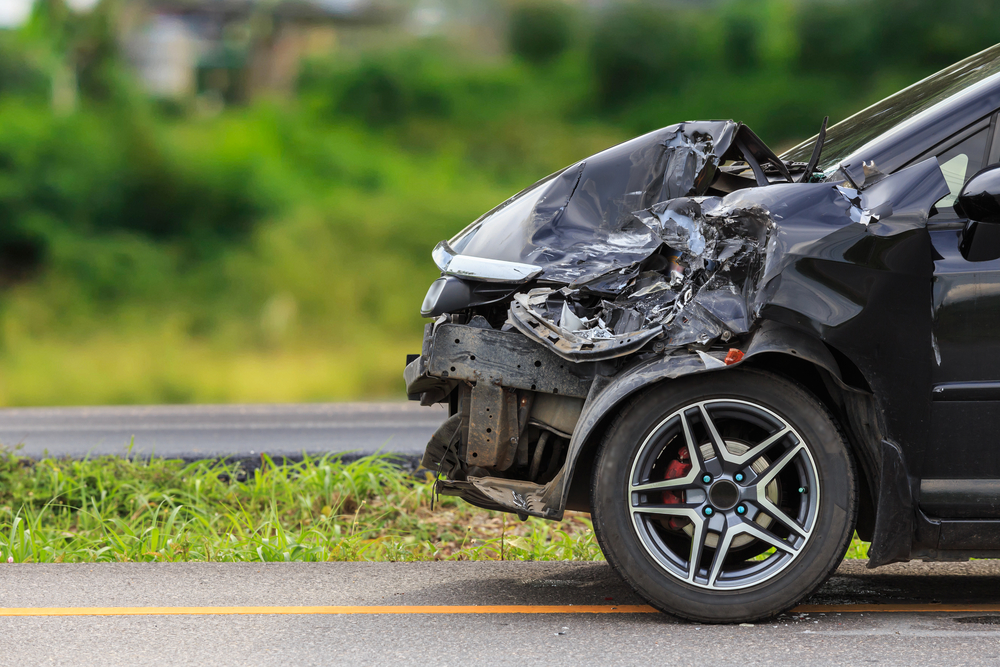
At-Fault vs. Not at Fault Accident
| Factor | At-Fault System | No-Fault System (Florida) |
|---|---|---|
| Who pays first | The at-fault driver’s liability insurance | Your own PIP insurance, regardless of fault |
| Does fault matter for first payment | Yes, fault must be proven | No, your PIP pays either way |
| What it covers | All damages from the at-fault party | Up to $10,000 PIP: 80% medical, 60% lost wages |
| Time limit to act | Varies by state | Must get medical care within 14 days |
| Can you sue the other driver | Yes, directly | Only if you meet the serious injury threshold |
| Pain and suffering | Recoverable | Only after meeting the injury threshold |
| Where Florida fits | — | No-fault state, but you can step outside it for serious injuries |
What is considered an at fault accident?
An at-fault accident occurs when a driver’s negligence or reckless behavior directly causes a collision. In these situations, the driver who is found to be responsible, or “at fault,” is typically liable for the damages incurred by the other parties involved in the accident. Notably, in any car accident claim, fault vs. not at fault accident comes into play depending on the state laws.
Examples of At-Fault Scenarios
- Running a Red Light: A driver who runs a red light and collides with another vehicle in the intersection is typically considered at fault for the accident.
- Rear-End Collisions: If a driver fails to maintain a safe following distance and rear-ends the car in front of them, they are generally at fault.
- Distracted Driving: A driver who is texting or otherwise distracted and causes a collision is likely to be found at fault.
What Is a Not at Fault Accident Insurance Coverage Claim?
A not at fault accident refers to a situation where each vehicle driver’s own insurance policy covers their medical expenses and lost wages up to an extent, regardless of who caused the accident. All the not at fault accident states have specific requirements for the minimum no-fault insurance policy requirements.
Examples of No-Fault Scenarios
- Collision claim: Just like PIP benefits, collision claim benefits are available to the policyholder no matter who was at fault for the crash.
- Single-Vehicle Accidents: If a driver loses control due to adverse weather conditions and crashes into a barrier, their PIP insurance will cover their injuries, even though no other vehicles were involved; if there is damage to the barrier, the governmental entity that owns/maintains that barrier may seek retribution.
Florida Is a No-Fault Car Insurance State
Florida is one of a handful of no-fault states. For a complete breakdown of how the system works, what PIP requires, and your rights as a driver, see our full guide to [Florida’s no-fault laws]. The summary below covers what you need to know in the context of at-fault versus no-fault accidents.
Florida is a “no-fault state,” meaning that after a car accident, your own insurance company is responsible for covering your medical expenses (up to policy limits) and other losses, regardless of who was at fault.
Every car owner in Florida is required to carry Personal Injury Protection (PIP) insurance with coverage of $10,000. This coverage is intended to pay for your medical bills and lost wages up to the policy limits so long as you receive medical care within 14 days of the crash.
No-fault insurance requirements in Florida do not apply to motorcycles. Motorcycle riders are not required to carry PIP insurance, and they must rely on other forms of coverage or pursue legal action against the at-fault party to recover damages.
How Does the Not at Fault Accident System Work in Florida?
Under Florida’s not at fault accident insurance system, when you are injured in some manner involving a motor vehicle, your medical benefits are part of your PIP insurance coverage, no matter who was responsible for the injuries. This system was originally designed to streamline the process of obtaining compensation for immediate medical needs and lost income. Sadly, insurers have abused the system to cause delays.
Florida law imposes a 14-day rule for seeking PIP benefits. This means you must seek medical treatment within 14 days of the incident to be eligible for PIP coverage. Failing to do so can result in the denial of benefits under Florida Statute § 627.736.
Serious Injury Threshold Under Florida Statute §627.737
While Florida’s not at fault accident system covers a significant portion of medical bills and lost wages, it has its limitations. If your injuries are severe and your damages exceed your PIP coverage, you may pursue a personal injury claim for additional compensation.
Florida Statute §627.737 outlines the “serious injury” threshold, which you must meet to sue the at-fault driver for damages beyond your no-fault insurance claims limits. Serious injuries include significant and permanent loss of an important bodily function, permanent injury within a reasonable degree of medical probability, significant scarring or disfigurement, or death.
If your injuries meet this threshold, you can file a personal injury lawsuit to recover compensation for medical costs, lost wages, and non-economic damages such as pain and suffering. Importantly, the burden of proof lies on the injury victim in a personal injury lawsuit. An attorney can assist with proving fault and securing the compensation you deserve.
How Long Do You Have to File?
If your injuries meet the serious injury threshold and you can step outside the not at fault accident system, you still face a deadline. In Florida you have two years from the date of the accident to file a personal injury lawsuit against the at-fault driver, shortened in 2023 by House Bill 837. Wrongful death claims carry the same two-year deadline. Acting quickly protects both your claim and the evidence needed to prove fault.

How Is Liability Insurance Different from No-Fault Insurance?
| Feature | PIP / No-Fault Insurance | Liability Insurance (At-Fault) |
|---|---|---|
| Pays for | Your own injuries and lost wages | The other party’s damages when you are at fault |
| Fault required | No | Yes |
| Required in Florida | Yes, $10,000 minimum PIP | Property damage liability required; bodily injury optional |
| Claim process | File with your own insurer | Pursue the at-fault driver’s insurer |
| Limits on recovery | Capped unless injury threshold met | No threshold, full damages available |
No-fault auto insurance states like Florida require drivers to first seek compensation through their own PIP coverage, irrespective of fault. However, it also means that drivers may be limited in the compensation they can recover unless they meet the serious injury threshold.
In contrast, fault insurance states operate differently. In at-fault states, the injured party can directly seek compensation from the at-fault driver’s liability insurance without first going through their own policy. Moreover, fault insurance states do not impose a serious injury threshold, which means that injured parties can sue the at-fault driver for all damages without any specific injury requirement or threshold.
Choose an Experienced Miami Car Accident Attorney for Your Injury Claim
If you have been injured in a car accident in Florida, don’t let the insurance companies take advantage of you. At AccidentLawFirm.com, Bobby Nuñez is ready to fight for the compensation you may be entitled to. We don’t back down from tough cases, and we will leave no stone unturned to hold the negligent party liable for damages.
Take control of your case now, reach out to us, and let us put our relentless legal strategies to work for you. To schedule your free consultation, call us at 305-444-4407 or contact us online. Remember that at AccidentLawFirm.com, our 5-star reviews are no accident!
Frequently Asked Questions
Q: What is the difference between an at-fault and a not at fault accident?
A: In an at-fault accident, the driver who caused the crash and their insurer pay for the other party’s damages. In a not at fault accident, each driver’s own insurance covers their medical bills first, regardless of who was responsible. The difference determines who pays and whether you can sue.
Q: What does “driver was at fault” mean?
A: It means a driver’s negligence or reckless behavior directly caused the collision, making them legally responsible for the resulting damages. Examples include running a red light, rear-ending another car, or driving while distracted.
Q: Is Florida an at-fault or no-fault state?
A: Florida is a no-fault state for car insurance, meaning your own PIP coverage pays first. However, if your injuries are serious enough to meet Florida’s injury threshold, you can step outside the no-fault system and pursue the at-fault driver directly.
Q: Can you still sue in a no-fault state?
A: Yes, but only under certain conditions. In Florida, you must meet the serious injury threshold under Statute 627.737, such as permanent injury, significant and permanent scarring, or disfigurement, before you can sue the at-fault driver for damages beyond your PIP limits.
Q: Who pays in a not at fault accident?
A: Your own Personal Injury Protection (PIP) insurance pays first, up to $10,000, covering 80 percent of medical bills and 60 percent of lost wages, regardless of who caused the crash. You must seek medical care within 14 days to qualify.
Q: How long do I have to file a claim after a Florida car accident?
A: Two years from the date of the accident under House Bill 837 (2023), if your injuries let you step outside the no-fault system. Acting sooner helps preserve evidence of fault.