














Table of Contents
In Florida, reckless driving is a serious traffic offense that involves operating a vehicle with a willful or wanton disregard for the safety of others or property. The legal definition of reckless driving can vary by state, but in Florida, it’s covered under Florida Statutes Section 316.192.
Miami Reckless Driving Accident Lawyer
When a reckless driver causes a crash, the consequences can be devastating. Victims often suffer serious injuries, expensive medical bills, lost income, and lasting emotional trauma. Unlike ordinary traffic mistakes, reckless driving involves conduct that demonstrates a conscious disregard for the safety of others.
If you were injured by a reckless driver in Miami, you may be entitled to recover compensation for medical expenses, lost wages, pain and suffering, future treatment costs, and other damages available under Florida law.
At AccidentLawFirm.com, we investigate reckless driving accidents throughout Miami-Dade County and South Florida. Our legal team works to obtain crash reports, witness statements, surveillance footage, cell phone records when appropriate, and other evidence that may help establish liability.
If another driver’s reckless behavior caused your injuries, contact our office today for a free consultation.
Florida Statutes Section 316.192 – Reckless Driving
According to Florida law, a person can be charged with reckless driving if they operate a vehicle with willful or wanton disregard for the safety of persons or property. The law does not require actual harm or an accident to occur; the focus is on the intentional and reckless nature of the behavior itself.
What Does Reckless Driving Look Like?
Examples of behaviors that might be considered reckless driving include any of the following, as well as others.
Excessive Speeding: Driving at a speed significantly above the posted speed limit or at a speed that is unsafe for prevailing road conditions.
Aggressive Driving: Engaging in aggressive behaviors such as tailgating, weaving in and out of traffic, or making unsafe lane changes.
Street Racing: Participating in illegal racing on public roads, which puts drivers, passengers, pedestrians, and other motorists at risk.
Running Red Lights or Stop Signs: Disregarding traffic signals and signs, especially in a way that endangers others.
Distracted Driving: Engaging in activities that divert attention from driving, such as texting, talking on the phone, or interacting with in-car entertainment systems.
Driving Under the Influence: Operating a vehicle while impaired by alcohol, drugs, or other substances that affect one’s ability to drive safely.
Passing in Unsafe Locations: Passing other vehicles in a manner that is unsafe, such as on a curve or a hill where visibility is limited.
Reckless Overtaking: Overtaking another vehicle in an unsafe or prohibited manner.
Common Injuries Caused by Reckless Driving Accidents
Because reckless driving often involves excessive speed, aggressive maneuvers, street racing, distracted driving, or impaired driving, the resulting injuries are frequently severe.
- Traumatic brain injuries (TBI)
- Spinal cord injuries
- Neck and back injuries
- Broken bones
- Internal bleeding
- Burn injuries
- Permanent disabilities
- Wrongful death
The more reckless the conduct, the greater the force involved in the collision and the greater the likelihood of catastrophic injuries.
The Penalties for Reckless Driving
The penalties for reckless driving in Florida can include:
- Up to 90 days in jail for a first offense
- Up to 6 months in jail for a second or subsequent offense
- Fines of up to $500 for a first offense and up to $1,000 for a second or subsequent offense
- Driver’s license suspension for a specified period, depending on the offense
- Points added to the driver’s record, which can lead to increased insurance rates
- Completion of a mandatory driving school or defensive driving course
Why Is Reckless Driving Extra Dangerous?
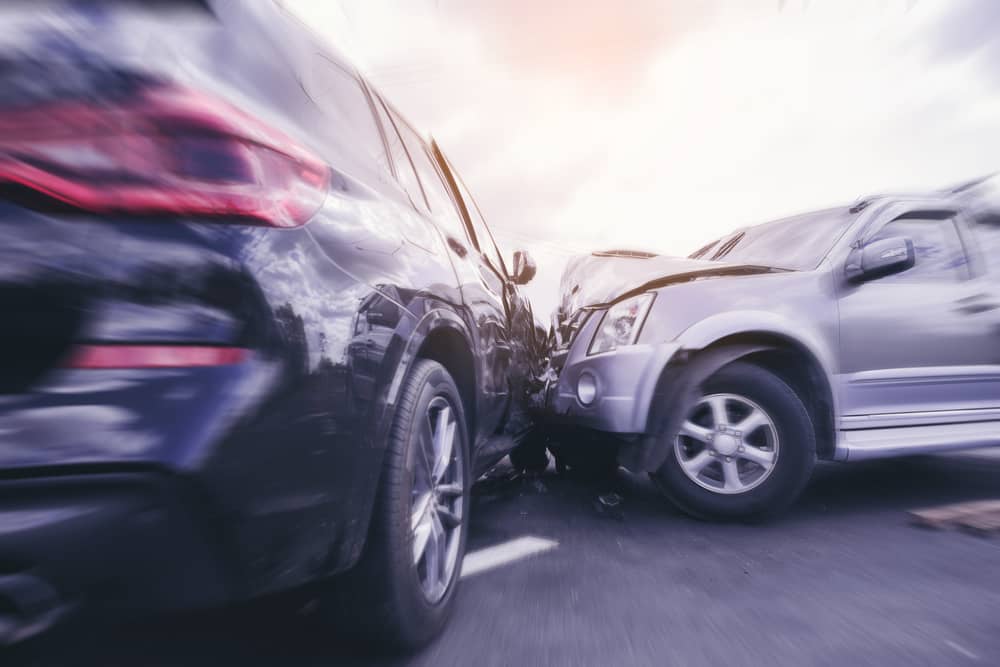
Reckless driving is considered extremely dangerous because it involves behaviors that significantly increase the risk of accidents, injuries, and fatalities on the road. It significantly increases the likelihood of accidents. Such accidents are more likely to result in serious injuries or fatalities due to the force of impact involved.
Reckless driving goes beyond mere negligence and implies a willful or wanton disregard for the safety of others, as well as the potential consequences of one’s actions. Here’s why reckless driving is so hazardous:
Higher Speeds: Reckless drivers often operate their vehicles at excessive speeds, reducing their ability to react to unexpected situations. High speeds increase the force of impact in collisions, making accidents more severe.
Limited Control: Reckless driving behaviors like aggressive lane changes, sudden swerves, and tailgating reduce a driver’s control over their vehicle, making it difficult to maintain safe distances from other vehicles and respond to changing traffic conditions.
Inadequate Following Distance: Tailgating and closely following other vehicles can lead to rear-end collisions if the vehicle in front suddenly stops or slows down.
Erratic Behavior: Reckless drivers often exhibit erratic and unpredictable behavior, making it difficult for other drivers to anticipate their actions and respond accordingly.
Aggressive Driving: Aggressive behaviors like road rage can escalate situations, leading to confrontations and collisions.
Pedestrian and Cyclist Danger: Reckless drivers pose a higher risk to pedestrians and cyclists who are more vulnerable on the road. Sudden movements and disregard for crosswalks or bike lanes can lead to tragic outcomes.
Reduced Reaction Time: Reckless drivers are often preoccupied with their actions, leaving them with less attention to focus on potential hazards and a decreased ability to react in time.
Adverse Weather Effects: Reckless driving in adverse weather conditions, such as rain, can further impair control and increase the likelihood of accidents.
Multi-Vehicle Collisions: Reckless actions can trigger chain reactions involving multiple vehicles, amplifying the scale of damage and injury.
Impact on Traffic Flow: Reckless drivers disrupt the flow of traffic and can cause congestion, potentially leading to more accidents and road rage incidents.
How to Prove a Reckless Driving Accident Claim
Successfully pursuing a reckless driving accident claim requires evidence. Depending on the circumstances, important evidence may include:
| Evidence | How It Helps |
|---|---|
| Police Reports | Document traffic violations and officer observations |
| Witness Statements | Confirm reckless behavior before the crash |
| Traffic Camera Footage | Shows speeding, red-light violations, or dangerous driving |
| Vehicle Damage Analysis | Supports crash reconstruction |
| Cell Phone Records | May help establish distracted driving |
| Medical Records | Connect injuries to the accident |
Establishing reckless conduct can significantly strengthen an injury claim and may affect how insurance companies evaluate the case.
Compensation Available After a Reckless Driving Accident
Victims injured by reckless drivers may be eligible to pursue compensation for both economic and non-economic damages.
| Type of Damage | Examples |
|---|---|
| Medical Expenses | Hospital bills, surgery, rehabilitation, medications |
| Lost Income | Missed work and reduced earning capacity |
| Property Damage | Vehicle repair or replacement costs |
| Pain and Suffering | Physical pain and emotional distress |
| Future Damages | Ongoing medical treatment and future losses |
The value of a reckless driving accident claim depends on the severity of injuries, available insurance coverage, liability factors, and long-term consequences.
Frequently Asked Questions About Reckless Driving Accidents
Can I sue a reckless driver in Florida?
Yes. If a reckless driver caused your injuries, you may have the right to pursue compensation through an insurance claim or personal injury lawsuit.
What is considered reckless driving in Florida?
Florida law generally defines reckless driving as operating a vehicle with a willful or wanton disregard for the safety of people or property.
How long do I have to file a reckless driving accident lawsuit in Florida?
In most cases, injured victims generally have two years from the date of the accident to file a personal injury lawsuit, although exceptions may apply.
Can reckless driving increase the value of a personal injury claim?
Evidence of reckless conduct may strengthen a claim because it can help establish fault and demonstrate the seriousness of the defendant’s actions.
What should I do after a reckless driving accident?
Seek medical attention, report the crash, preserve evidence, and speak with an attorney as soon as possible.
All car accidents are unfortunate events that can result in significant physical, emotional, and financial consequences. Among the various types of car accidents, collisions that stem from reckless driving are particularly concerning due to their potentially severe outcomes. A Miami car accident attorney from our team here at AccidentLawFirm.com will help you get your life back on track after a reckless driving collision.
