







Table of Contents
Miami Head-On Collision Lawyer: Bobby Nunez Handles Your Case Personally
Head-on collisions are the most lethal crashes on Miami roads. When a driver crosses the center line on US-27, drifts into oncoming traffic on Card Sound Road, or loses control on the Palmetto Expressway, the combined speed of both vehicles creates a force that few bodies survive without serious injury. If you or a family member survived a head-on crash, the insurance company is already working to minimize what they owe you.
Whether you search for a head-on car accident attorney, a head-on accident attorney, or head-on collision attorneys in Miami—you are looking for someone who will fight for the full value of your case. Bobby Nuñez is that attorney. Bobby Nuñez is a Miami head-on collision attorney who handles every case personally — not a junior associate, not a paralegal. Bobby. Call (305) 444-4407 for a free consultation. No fee unless we win.
All car accidents are unfortunate events that can result in significant physical, emotional, and financial consequences. Among the various types of car accidents, head-on collisions are particularly concerning due to their potentially severe outcomes. Let’s dig deeper into the causes, consequences, and prevention strategies associated with head-on car accidents.
Who Is at Fault in a Head-On Collision in Miami
Head-on crashes are almost always caused by one driver crossing into the opposing lane. But insurance companies do not simply accept fault — they will look for any evidence to reduce what they pay, including arguing that road conditions, weather, or your own actions contributed to the crash.
Florida’s 2023 modified comparative negligence law means that if you are found more than 50% at fault, you recover nothing. Documenting fault immediately is the most important step in your case.
| Common Cause | Who Is Typically at Fault | Key Evidence Bobby Gathers |
|---|---|---|
| Crossing centerline / wrong-way driving | Driver who crossed into opposing lane | Dashcam footage, skid mark analysis, police report |
| Impaired driving (DUI) | Impaired driver | BAC records, police report, toxicology, criminal case coordination |
| Fatigued or drowsy driving | Drowsy driver | Driver logs, employment records, cell phone activity |
| Unsafe overtaking / passing | Driver who initiated the pass | Road width analysis, sight line evaluation, witness statements |
| Distracted driving | Distracted driver | Phone records, in-vehicle data, traffic camera footage |
| Roadway defect (missing markings, potholes) | Government entity or road contractor | Road maintenance records, prior complaints, expert testimony |
Miami Roads Where Head-On Collisions Happen Most
Unlike T-bone accidents that concentrate at intersections, head-on collisions tend to happen on undivided two-lane roads, rural highways, and high-speed corridors where passing opportunities are limited. Miami-Dade and Broward have several of the most dangerous stretches in Florida for this type of crash.
| Road / Location | Why Head-On Crashes Happen Here |
|---|---|
| US-27 (Okeechobee Road) | Long undivided stretches with heavy truck traffic and frequent passing attempts |
| Card Sound Road (SR-905A) | Narrow two-lane road with blind curves; popular with speeding drivers exiting the Keys |
| Krome Avenue (SR-997) | Rural two-lane corridor through western Miami-Dade; no center barrier, high speed limits |
| SR-826 (Palmetto Expressway) ramps | Wrong-way driver incidents concentrated at interchange ramp entries, especially at night |
| US-1 South (Florida Keys corridor) | Undivided highway with heavy tourist traffic, limited passing zones, and fatigue-related drifting |
Causes of Head-On Car Accidents
Head-on collisions occur when two vehicles traveling in opposite directions collide front to front. While this should never occur, it does happen from time to time. Why is that? There are actually several factors that can contribute to these accidents.
Distracted Driving: One of the leading causes of head-on accidents is distracted driving. Texting, talking on the phone, eating, or engaging with in-car entertainment systems can divert a driver’s attention from the road, increasing the risk of veering into oncoming traffic.
Impaired Driving: No surprise here. Driving under the influence of alcohol, drugs, or other substances impairs a driver’s judgment, coordination, and reaction times, making them more likely to cross into opposing lanes.
Fatigue: Fatigued drivers may fall asleep at the wheel or experience momentary lapses in attention, causing them to drift into oncoming traffic.
Speeding: Excessive speed reduces a driver’s ability to react to sudden changes in traffic conditions, increasing the severity of head-on collisions.
Reckless Overtaking: Attempting to overtake another vehicle without sufficient visibility or in unsafe conditions can lead to a head-on collision with an oncoming vehicle.
Poor Weather Conditions: Rain and fog can reduce visibility and road traction, making it difficult for drivers to stay in their lanes.
Roadway Defects: Potholes, worn-out road markings, and insufficient signage can contribute to drivers inadvertently crossing into oncoming traffic.
The Severe Consequences of Head-On Car Accidents
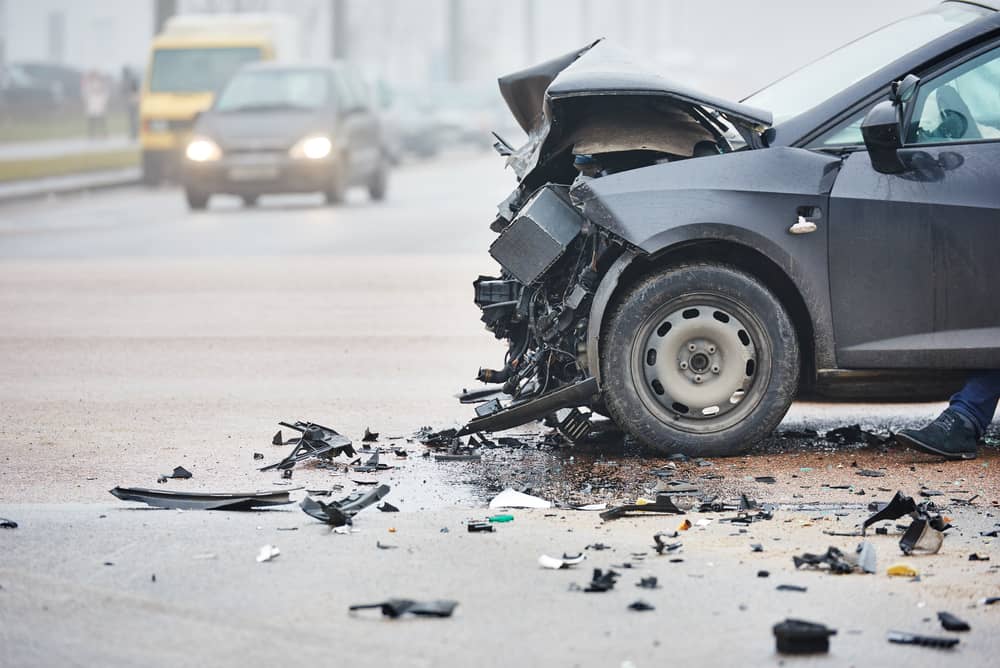
Head-on collisions can have devastating consequences due to the combined force of the two vehicles involved. The severity of injuries and damage depends on various factors, including speed, angle of impact, and vehicle type. Just some of the consequences include:
Severe Injuries: These are often catastrophic accidents. Head-on accidents often result in serious injuries, including traumatic brain injuries, spinal cord injuries, broken bones, internal organ damage, and whiplash.
Fatalities: Due to the high impact forces involved, head-on collisions have a higher likelihood of resulting in fatalities compared to other types of accidents.
Emotional Trauma: These accidents are often quite scary for the driver(s) and any passengers involved in the crash. Survivors of head-on accidents may experience emotional trauma, including post-traumatic stress disorder, anxiety, and depression. Don’t ignore these in the aftermath of your crash just because they aren’t physical.
Financial Burden: Medical expenses, vehicle repair or replacement costs, and legal fees can create a significant financial burden for accident victims. You may have to miss work and the paychecks that come from your employment. Less work and more bills can be extremely stressful.
Head-On Collision Injuries and When Wrongful Death Applies
Because both vehicles are traveling toward each other at the moment of impact, the combined force in a head-on crash is far greater than a rear-end or side-impact collision. Injuries from these crashes are frequently catastrophic and permanent.
| Injury Type | Common Long-Term Impact | Legal Relevance |
|---|---|---|
| Traumatic brain injury (TBI) | Memory loss, cognitive impairment, personality changes | Justifies future damages for ongoing care and lost earning capacity |
| Spinal cord injury / paralysis | Permanent disability, loss of mobility, in-home care dependency | Among the highest-value injury claims in Florida personal injury law |
| Broken bones and crush injuries | Multiple surgeries, lengthy rehabilitation, chronic pain | Documented medical bills support economic damages calculation |
| Internal organ damage | Life-threatening if not treated immediately; often asymptomatic at scene | Delayed diagnosis gap can be used by insurer — see a doctor same day |
| Wrongful death | Loss of income, companionship, parental guidance for surviving family | Florida wrongful death statute of limitations: 2 years from date of death |
If a family member was killed in a head-on collision, AccidentLawFirm.com handles wrongful death claims throughout South Florida. Bobby Nuñez works with families to pursue the full compensation they are owed under Florida law. Call (305) 444-4407 today.
Preventing Head-On Car Accidents
Preventing head-on collisions requires a combination of responsible driving behavior, adherence to traffic rules, and appropriate road design and infrastructure. Here are some strategies for prevention:
- Avoid Distractions: Drivers should refrain from using mobile devices, eating, or engaging in any activity that takes their attention away from the road.
- Drive Sober: Never drive under the influence of alcohol, drugs, or other impairing substances.
- Obey Speed Limits: Adhering to posted speed limits and adjusting speed based on road and weather conditions is essential for safe driving.
- Stay Alert: Avoid driving while fatigued. Take breaks on long journeys, and pull over if you feel drowsy.
- Use Proper Passing Techniques: Only overtake when it is safe, legal, and there is sufficient visibility. Always use turn signals to indicate your intention.
- Maintain Safe Following Distances: Keeping a safe distance from the vehicle in front allows for more reaction time in case of sudden stops or lane departures.
- Infrastructure Improvements: Road authorities should ensure proper road design, maintenance, and adequate signage to reduce the risk of drivers inadvertently entering opposing lanes.
- Advanced Driver Assistance Systems: Modern vehicles often come equipped with advanced safety features like lane departure warning, automatic emergency braking, and adaptive cruise control, which can help prevent head-on accidents.
What to Do After a Head-On Collision in Miami
Head-on crashes often leave victims in shock. Even if you feel physically intact in the immediate aftermath, the actions you take in the first hours determine what you recover from the insurance company.
| # | Action | Why It Matters | What Happens If You Skip It |
|---|---|---|---|
| 1 | Call 911 from the scene | Police report establishes the official account of fault and vehicle positions | Without a report, the other driver can dispute everything that happened |
| 2 | Do not admit fault or apologize | Florida comparative negligence — sharing more than 50% fault eliminates your recovery | Even an offhand apology can be used to assign fault to you |
| 3 | Get to a hospital the same day | TBIs, internal bleeding, and spinal injuries are often not felt immediately | Any gap between the crash and your first medical visit is used to deny your claim |
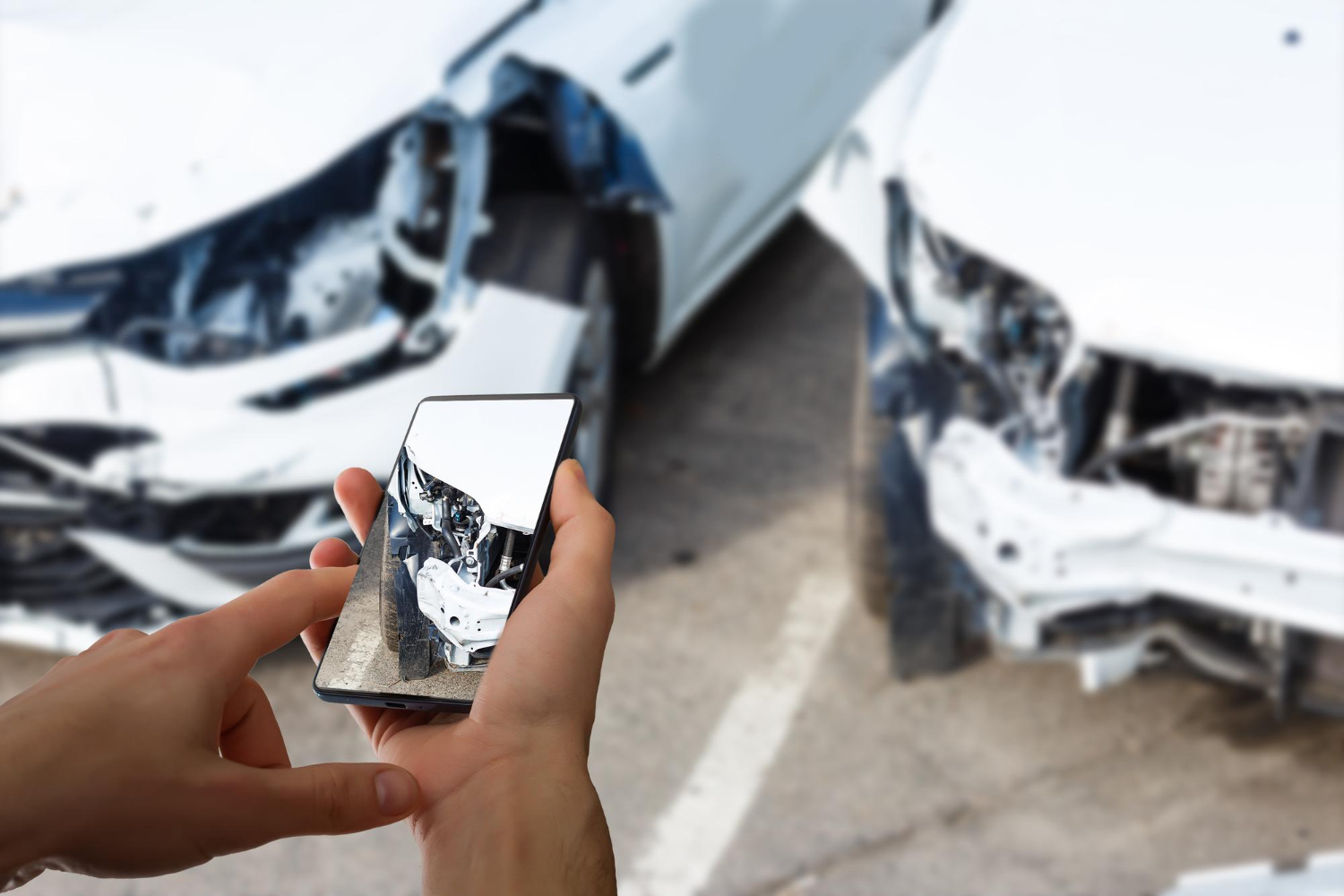
| 4 | Document the scene before it clears | Photos of vehicle positions, skid marks, road markings, and damage are primary evidence | Florida crash scenes are cleared quickly — physical evidence is gone permanently |
| 5 | Call Bobby Nunez before the insurance company calls you | A recorded statement to the other driver’s insurer can permanently damage your case | Bobby blocks all adjuster contact from the moment he takes your case |
Frequently Asked Questions About Miami Head-On Collision Cases
What makes head-on collisions different from other car accidents legally?
Head-on crashes almost always involve one driver who was clearly at fault — crossing the center line, driving the wrong way, or losing control due to impairment or fatigue. This makes liability clearer than in many other accident types, but insurance companies still fight aggressively because the injury values are high. Bobby Nunez builds the evidence to close that door immediately.
Can I still recover compensation if the other driver died in the crash?
Yes. If the at-fault driver died in the collision, you may file a claim against their estate or their auto insurance policy. Bobby Nunez handles these cases throughout South Florida. Call (305) 444-4407 to discuss your options in a free consultation.
What if the head-on crash was caused by a wrong-way driver?
Wrong-way crashes are among the most serious accidents on Miami highways. Liability typically falls on the wrong-way driver, but Bobby Nunez investigates whether additional parties share responsibility — including the Florida Department of Transportation if inadequate signage contributed to the wrong-way entry. Call (305) 444-4407 to start your case.
How long do I have to file a head-on collision claim in Florida?
Florida’s personal injury statute of limitations is 2 years from the date of the accident. For wrongful death cases, it is also 2 years from the date of death. Do not wait — evidence disappears fast and witnesses become harder to locate. Call Bobby Nunez today.
What if the other driver was uninsured?
Florida law requires drivers to carry Personal Injury Protection (PIP) coverage, but many drivers on Miami roads are uninsured or underinsured. Bobby Nunez investigates all available coverage options including your own uninsured motorist (UM/UIM) policy. Do not assume you have no options — call (305) 444-4407.
Should I accept the insurance company’s first offer after a head-on crash?
No. Insurance companies make early low offers specifically because victims are injured, stressed, and unfamiliar with the true value of their case. Head-on collision claims frequently involve permanent injuries and future damages that an early offer will not cover. Bobby Nunez negotiates based on the full picture — current and future losses — before any settlement is accepted.
How much does it cost to hire AccidentLawFirm.com for a head-on collision case?
Nothing upfront. AccidentLawFirm.com operates on a contingency fee basis — you pay no attorney fees unless Bobby Nunez wins your case. Your first consultation is always free. Call (305) 444-4407 (Miami-Dade) or (954) 488-3000 (Broward).
Head-on car accidents are serious events with far-reaching consequences. If you feel you were in a head-on collision because the other driver didn’t follow the list above, it is time to reach out to an attorney. While these accidents can occur due to a range of factors, including distracted or impaired driving or poor road conditions, you very likely are owed compensation. The results of head-on collisions can be catastrophic, leading to severe injuries, fatalities, emotional trauma, and financial hardships. You don’t have to suffer through all of this without the financial compensation you need to heal and that you are owed.
AccidentLawFirm.com is here to help. A car accident attorney from our team will help you get your life back on track after a head-on collision.
